
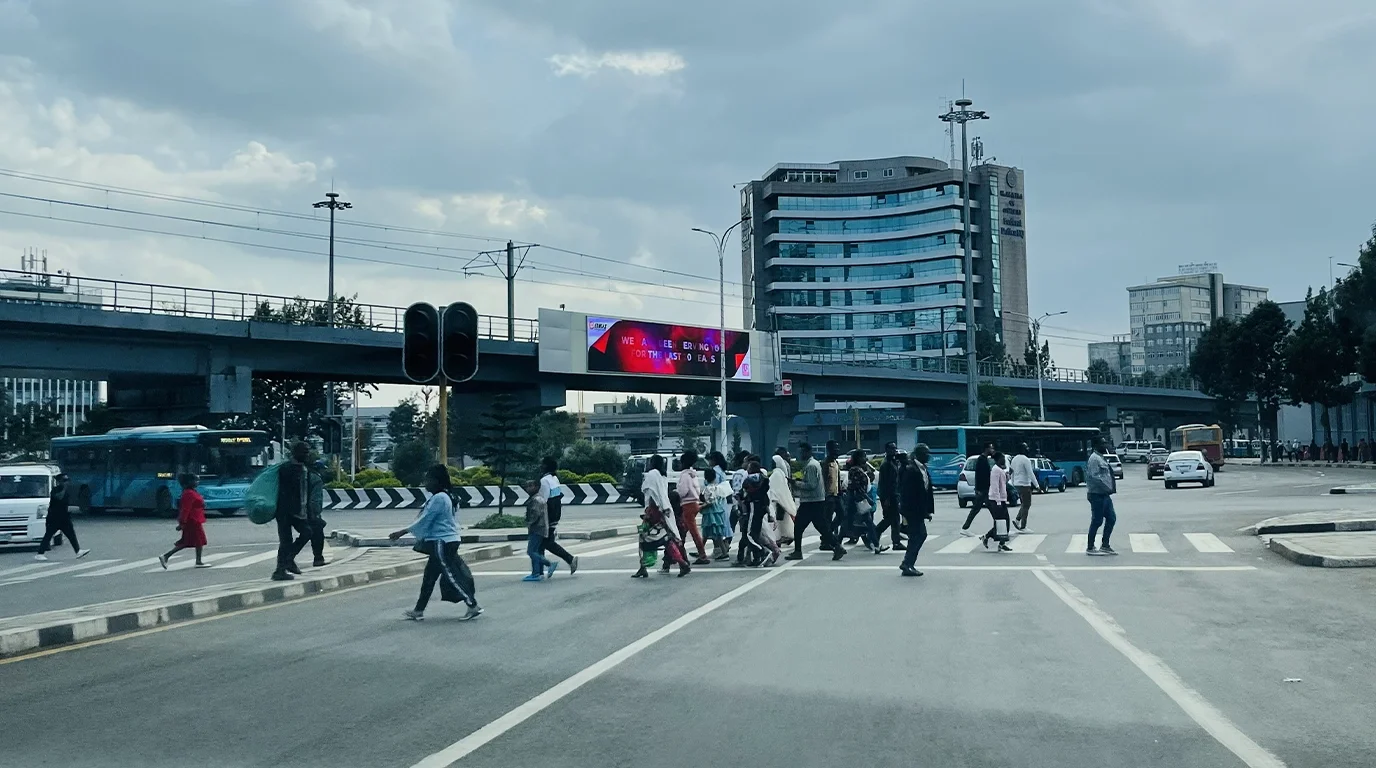
Dedicated to ensuring road safety for pedestrians and motorists
Every 6 seconds someone is killed or seriously injured on the world’s roads.
That makes deaths or injuries through mobility on roads an epidemic. 9 out of 10 road deaths and injuries occur in developing countries. Safe Roads to Health was established as a non-profit 501(c)(3) organization to combat the epidemics of road traffic injuries primarily in the developing world.
About Safe Roads to Health

Safe Road To Health Inc. (SRTH) undertakes activities to ensure safe mobility for Pedestrians, Bicyclists, motorists, and users of public transportation through assistance in Planning, Design and implementation of Transportation Infrastructure, traffic operation improvements, and capacity building and knowledge transfer in the areas of transportation engineering and public health.
SRTH engages in activities that promote road safety and public health activities to reduce death and disability from unsafe roads and human behavior.
What We Do
entail promoting environmentally and financially sustainable transport solutions to improve safety and mobility for pedestrians, bicyclist, public transport users and motorist.
The planning activities
include helping agencies develop and implement transport design guideline to ensure infrastructure are designed, developed and deployed to result safe and efficient movement of people and goods. The organization plans to participate in capacity building efforts in both engineering and public health areas.
The design activities
include partnering with medical professionals, public health organizations, consumer advocates, and the public to promote the culture of safety, and that injured individuals have access to emergency medical care. SRTH plans to carry out these activities by being part of efforts that play critical role in organizing the public health response through public education and training, intervention and prevention programs, trauma care, disaster management, and rehabilitation.
The public health activities
Program Areas
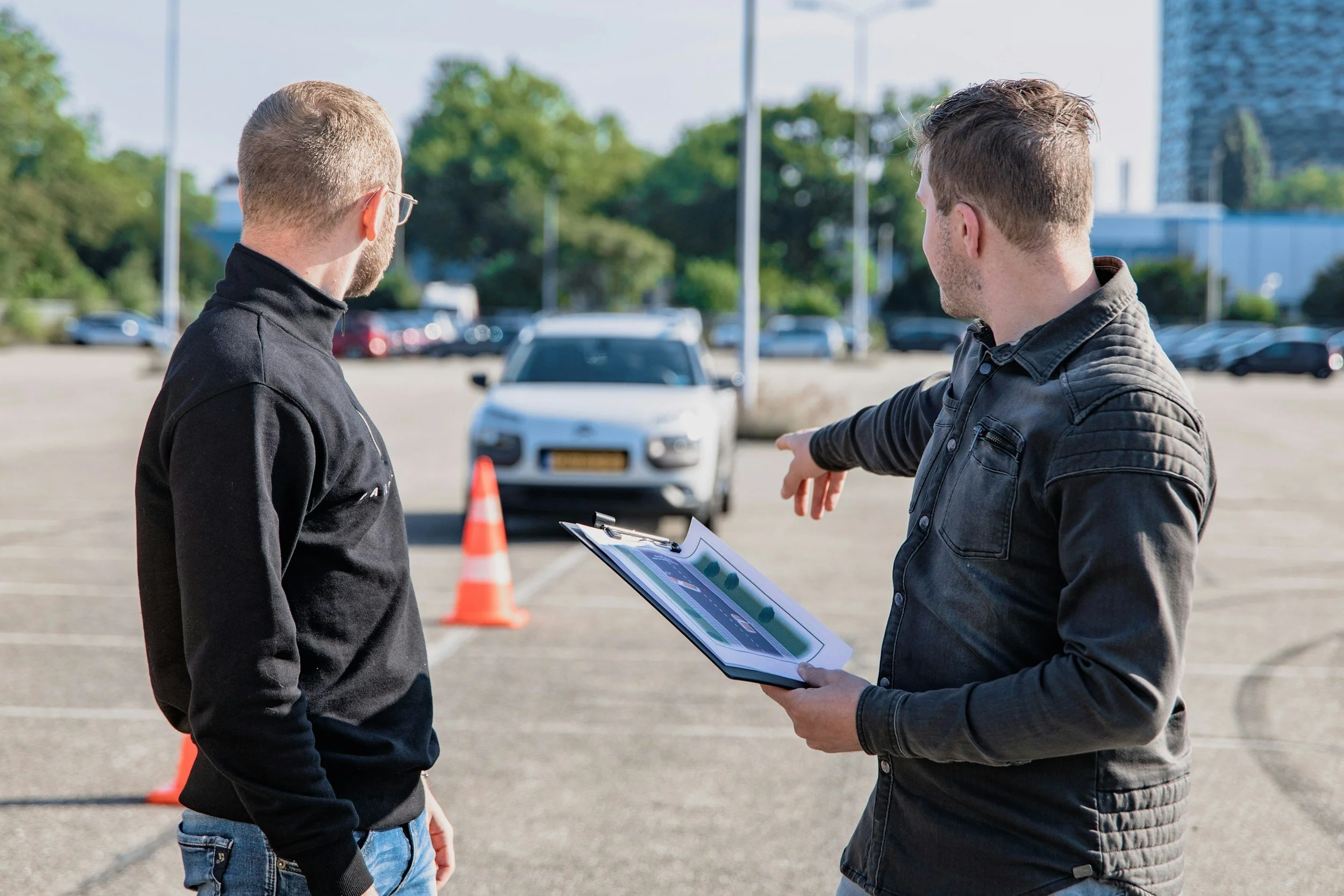
Crash Prevention Programs
Programming and materials to providing information to create culture of safety such as eliminating driving under the influence of alcohol, law enforcement, vehicle inspection, road design, road layout, speed limits, and pedestrian and bicycle facilities.
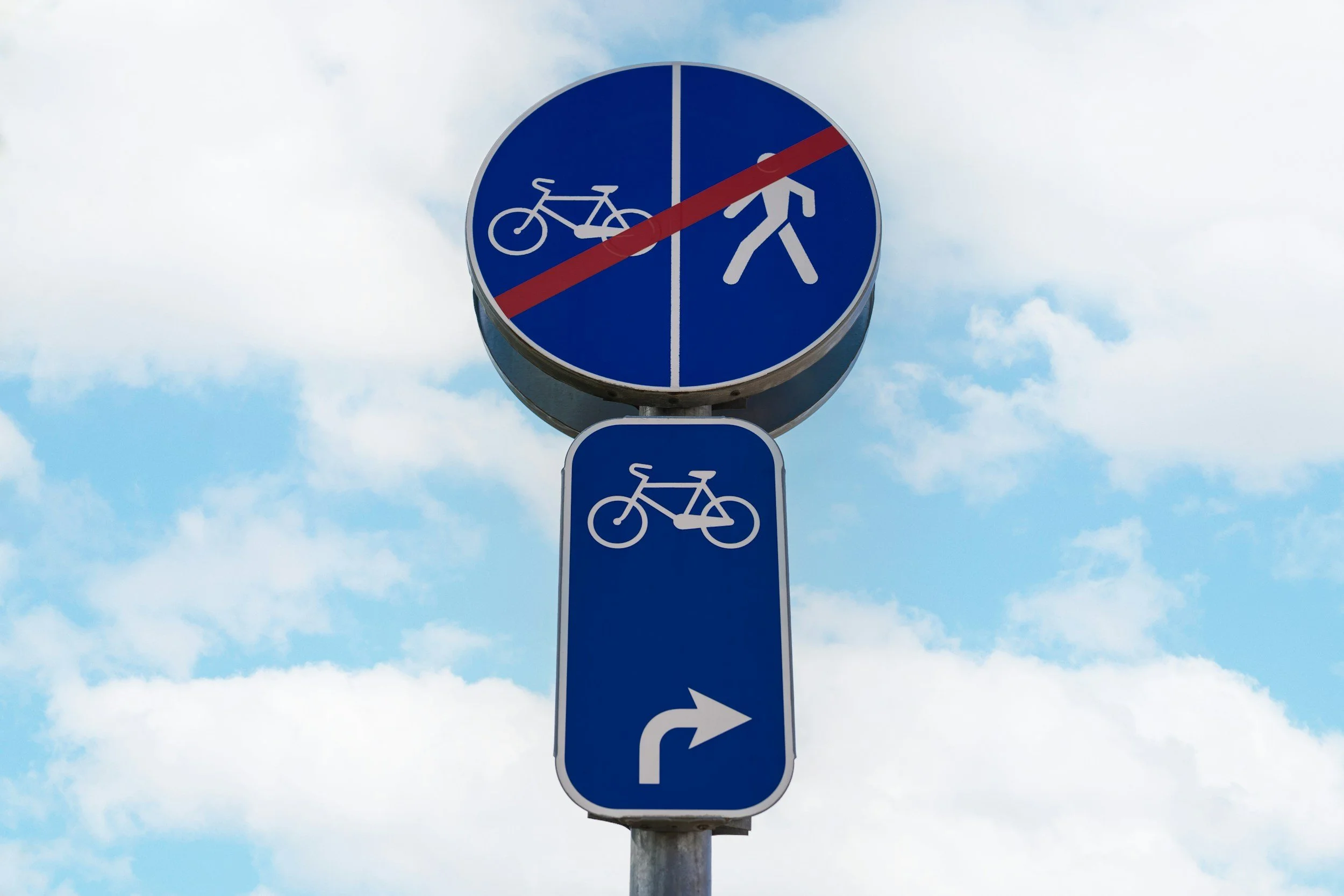
Crash Injury Prevention
Education, outreach, and promotion on preventing or reducing injury during a crash, by the use of seat belts and helmets, conducting road safety audits, and other roadside traffic devices that reduce impact.
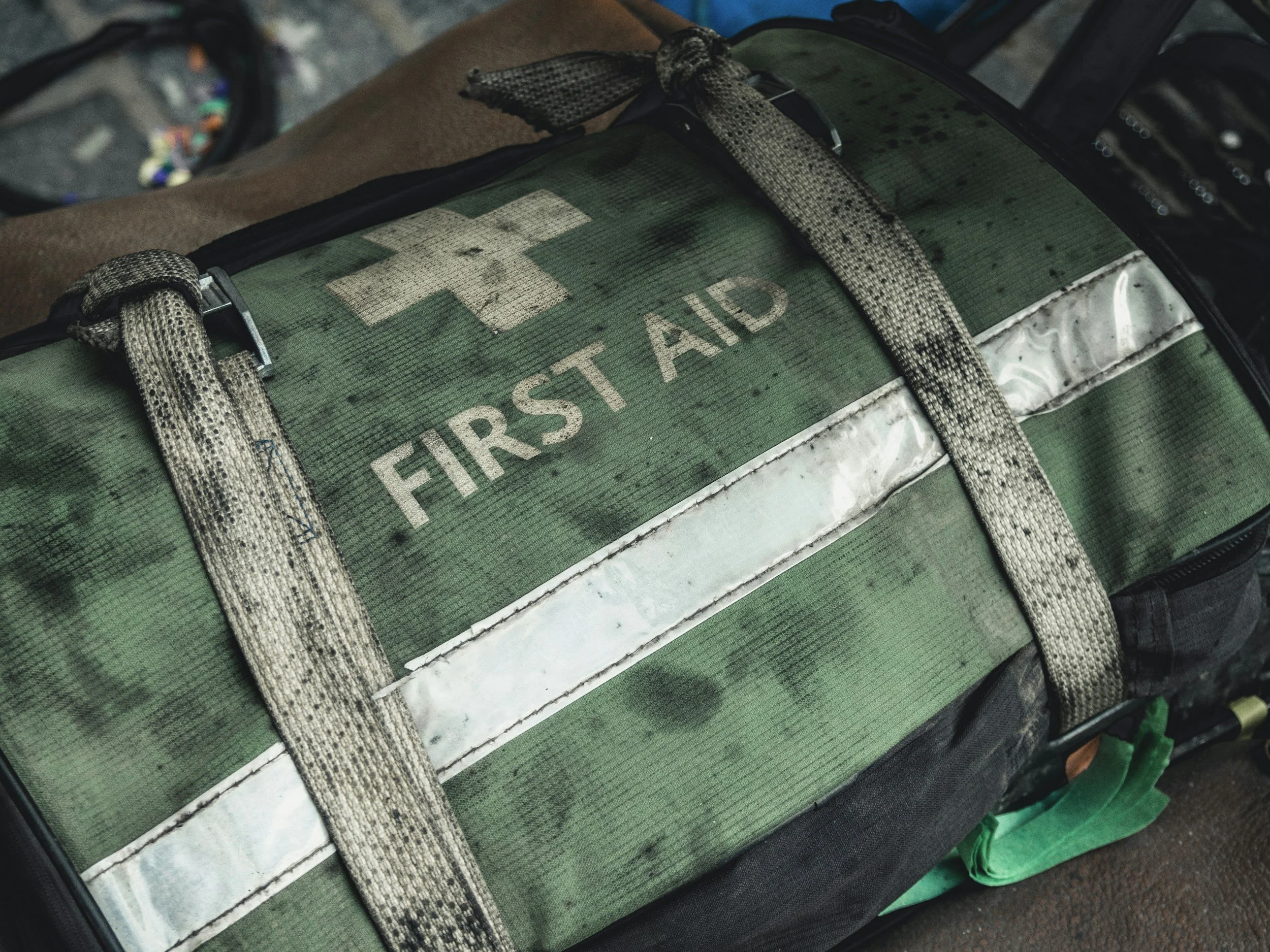
Public Health & Assistance
First aid, emergency response, ease of access to emergency care, crash reporting and investigation, standard of trauma care, rehabilitation.
Why We Do It
Nearly 3,300 people die on the world’s roads every day, which is over 1.2 million people per year, and 50 million are seriously injured or disabled.
Each year, developing countries lose between 1 and 3% of their gross domestic product due to medical costs, productivity losses, and other expenses resulting from deaths and injuries on the road.
The economic burden of motor vehicle crashes costs at least $340 billion worldwide, which is more than all the funds that developing countries receive in aid.
The current road safety situation poses crisis with devastating health, social and economic impact because of deaths and disability to people.